
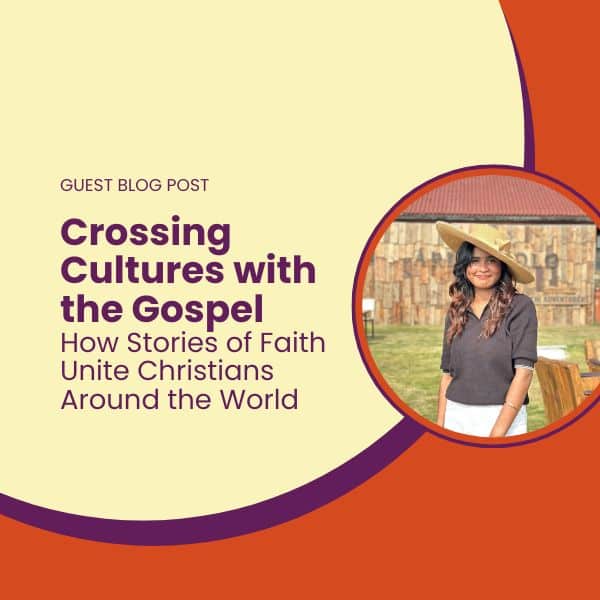
By Merry Usman
In every corner of the globe, faith takes root in stories—stories of struggle and triumph, of doubt and revelation, of ordinary lives touched by the extraordinary love of God.
While sermons and doctrines shape our understanding, it is often stories that reach the heart first. They transcend language barriers, cultural norms, and political borders, connecting us in ways that are both deeply personal and undeniably global.
Storytelling is not merely a communication tool; it is woven into the fabric of the gospel itself.
Jesus taught through parables shared on dusty roads and hillsides. Paul encouraged early churches through letters filled with lived experience, theology, and pastoral care.
Today, the mediums have expanded—blogs, podcasts, books, social media, and video content—but the essence remains unchanged.
Stories make faith tangible. They invite us to see how God is at work in real lives, in real places, across the world.
The universality of stories of faith
What makes stories of faith so powerful is their universality.
I have seen how a pastor’s account of leading community outreach in Brazil—sharing how his church served families through food distribution, prayer, and simple presence—sparked conversations among church leaders in Kenya who were reading his testimony online.
Though their cultures and challenges differed, the heart behind the outreach resonated. Inspired by his story, they began reimagining evangelism in their own context, adapting the principles of relational ministry to their local communities.
Similarly, I once worked with an author who shared how consistent prayer transformed her workplace—not through dramatic confrontations, but through patience, integrity, and quiet faithfulness.
Her story, shared in a devotional blog, struck a chord with readers who felt their own offices and schools were spiritually dry spaces.
Messages poured in from teachers, administrators, and corporate employees who began to see their daily environments as mission fields, realizing that faith could be lived out meaningfully even in ordinary routines.
Stories build bridges
Stories also build bridges between Christians who may never meet in person.
A small blog I encountered featured testimonies from Christians in southeast Asia who were navigating persecution and isolation with remarkable perseverance. One reader from Europe later shared how reading those testimonies challenged her complacency and renewed her commitment to prayer and local ministry. The courage she witnessed across cultures stirred her to take tangible steps of obedience in her own community.
Stories remind us that while contexts differ, the human heart responds to authenticity, courage, and hope—the very qualities that reflect God’s work in our lives.
Faith in action: Stories that inspire change
Stories have a unique power to move people from admiration to action. When stories are told honestly—highlighting both fruit and struggle—they invite others not just to observe, but to participate.
Equally important are stories that include doubt, waiting, and failure. Faith is not always lived out in polished victories. When we share these vulnerable moments, we dismantle the illusion that faith must be flawless. In doing so, we create space for others to be honest about their own journeys. This vulnerability fosters a global church that learns together, prays together, and grows in shared wisdom.
Christian writers, publishers and platforms hold a unique responsibility. By curating authentic voices, highlighting underrepresented experiences, and translating content across languages, we can transform local testimonies into global encouragement.
Through my own work in Christian marketing and content creation, I’ve seen how a single testimony—when shared thoughtfully—can ripple outward. Blogs, online devotionals, podcasts, and video platforms allow faith stories to travel far beyond their original context.
When cultural differences are honored rather than erased, these stories form a rich tapestry that reflects the diverse ways God’s love is made visible around the world.
Faith and storytelling: A two-way street
One of the most profound aspects of faith storytelling is its reciprocity.
When we share our stories, we don’t only encourage others—we are changed ourselves.
I remember reading the testimony of a missionary who labored for years with little visible fruit. Her honesty about discouragement and perseverance mirrored a season in my own life when I questioned whether my work truly mattered. Her story validated my struggle, expanded my understanding of faithfulness, and reminded me that God’s work is often unfolding beyond what we can see. It renewed my commitment to serve, even when results feel unseen.
Stories like hers have shaped the way I listen, write, and serve. They have taught me that the global Church is not bound by geography—it is connected by shared faith, shared hope, and a shared Savior.
 Practical steps for crossing cultures with faith stories
These lessons were not learned in theory alone, but through experience. For those seeking to share stories across cultures, I’ve found these practices especially meaningful:
Listen first
Before sharing someone else’s story, take time to understand their context. I’ve learned that careful listening—asking questions, seeking clarification, and honoring cultural nuance—builds trust and preserves dignity.
Highlight common humanity
When I focus on themes like redemption, perseverance, and hope, stories resonate more deeply across cultures. These shared experiences remind us of our unity in Christ.
Leverage digital media
Digital platforms have allowed stories I’ve worked on to reach readers far beyond their original audience. Podcasts, blogs, and video interviews make global connection possible even with limited resources.
Collaborate globally
Some of the most impactful content I’ve seen emerged through collaboration—with international writers, pastors, and ministry leaders shaping stories together.
Include real-Life application
Stories are most powerful when they invite response. I’ve found that readers are encouraged when they can see how faith can be lived out practically—in prayer, service, generosity, or advocacy.
Conclusion: Stories as bridges of unity
In a divided world, stories of faith act as bridges. They unite Christians across cultures, generations, and traditions, reminding us that our shared mission is greater than our differences. Every testimony shared becomes part of the global story of God’s work—a living witness that the gospel speaks to all people, everywhere.
As we continue to cross cultures with the gospel, may we remember that our stories are more than words. They are vessels of hope, instruments of unity, and reflections of God’s enduring love. When shared with humility and faithfulness, they draw the global church closer—one story, one life, at a time.
Merry Usman is a Christian writer and marketing specialist based in Pakistan. She loves weaving stories that inspire faith and strengthen hearts. With years of experience in Christian marketing and content creation, she has helped ministries, authors, and faith-based brands share their message with clarity and impact. Her writing reflects a deep passion for God’s Word and a desire to see lives transformed through truth and encouragement. Merry also contributes to Salt of Heaven, a community dedicated to curating faith-filled books and resources that uplift and draw readers closer to Christ. Through her work, she hopes to shine the light of Jesus and remind others that words, when rooted in truth, can be a powerful way to nurture the soul.